How Small Retailers Can Automate Delivery Management for Faster, Cost-Effective Urban Deliveries

If you run a small retail shop in the city, it could be an apparels, electronics, groceries, or quick commerce business - you already know the pressure. Customers expect their orders delivered as soon as possible, sometimes within hours. They also want to track their packages in real-time. And they expect all of this at no extra cost.
Current Market challenges? You're competing with giants like Amazon and Flipkart, but without their massive delivery infrastructure. You're probably dealing with:
Manual order tracking that eats up hours of your day
Inconsistent delivery times that lead to frustrated customers and bad reviews
Rising delivery costs that squeeze your already thin margins (last-mile delivery now takes up 53% of total shipping costs)
Limited delivery coverage because you are stuck with limited courier partners
Constant "Where's my order?" calls that distract you to run your business
SO what is next: With automated delivery management systems, you can compete with the big players without owning a single delivery vehicle or hiring an army of riders.
What Is Delivery Management Automation?
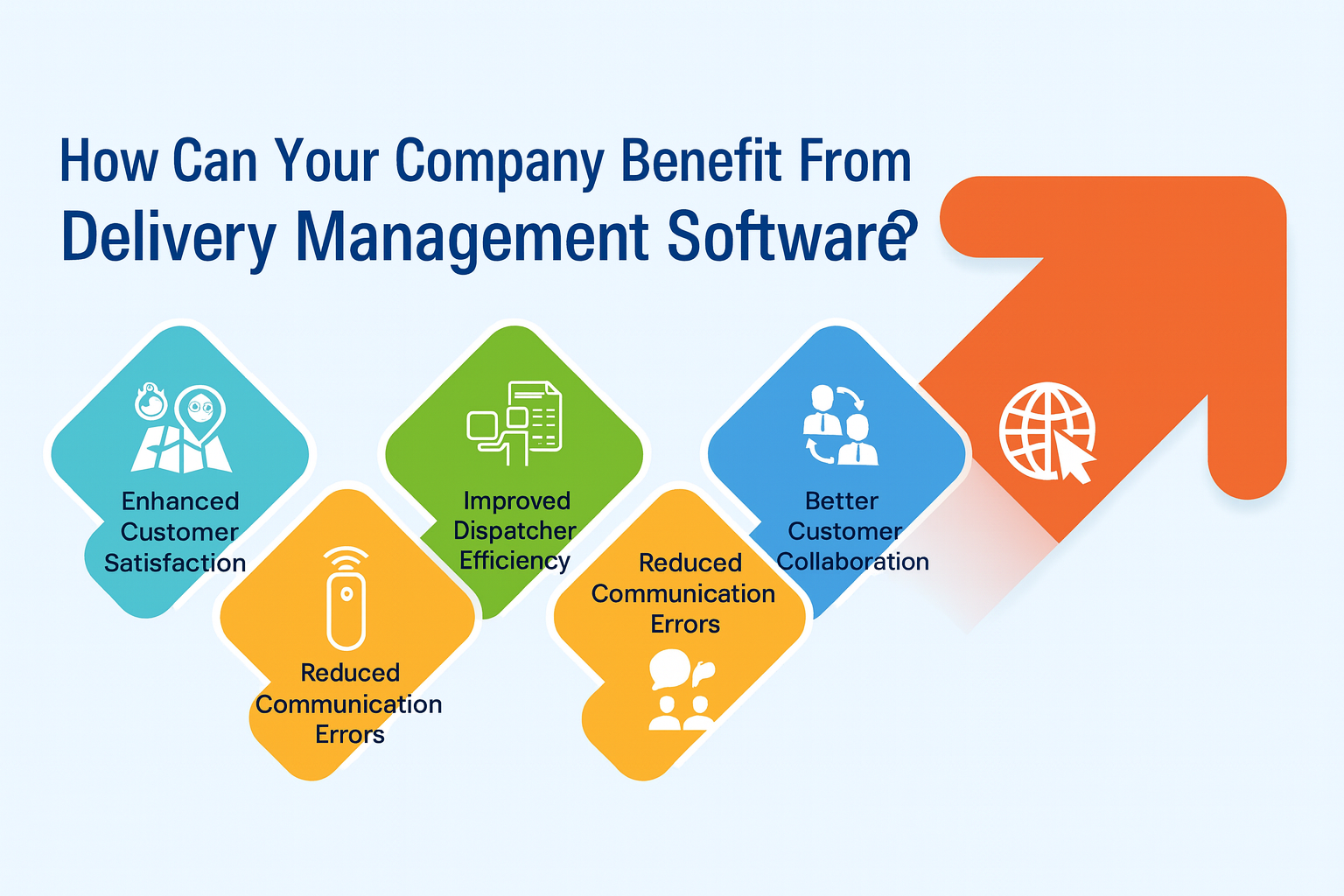
Think of delivery management software is like having a smart assistant that handles all your logistics needs, without breaks, and without making mistakes.
It's software that takes care of everything from the customer places an order to package reaches their doorstep. No more juggling with Excel sheets, making phone calls to riders, or manually checking where each order is.
What Does This Software Actually Do?
Automated Dispatching
The system auto assigns orders to the best delivery partner based on their location, traffic conditions, and delivery deadlines. What used to take you 10 minutes per order now happens in seconds.
Real-Time Tracking & Notifications
Your customers notifies and get automatic updates via SMS or email at every stage, order confirmed, out for delivery and delivered status. You get GPS tracking for every package. This alone can cut your customer service calls by 30% or more.
Multi-Courier Partner Integration
Instead of being locked with one courier company, you get access to multiple delivery partners - national carriers, local delivery services, even hyperlocal startups. The system picks the best one for each order based on cost, speed, and destination.
Proof-of-Delivery
No more "typical and human" disputes. The system captures photos, signatures, and timestamps automatically. Returns management also becomes simpler with a centralized dashboard.
AI-Powered Route Optimization
The software analyzes real-time traffic, weather, and road conditions to create the fastest routes. this reduces your delivery costs by up to 20% while getting orders to customers faster.
Performance Dashboard
See exactly how your deliveries are performing—success rates, average delivery times, cost per delivery, rider efficiency. You finally get the data you need to make smart decisions.
Why Small Retailers Need to Automate Delivery
AI route optimization isn't just fancy tech talk. It means your riders get the fastest routes, avoid traffic jams, and complete more deliveries in less time. Some businesses see delivery times cut by 30-50% after switching to automated systems.
Your customers ordered something today. They want it today. Automation makes that possible without burning out your delivery team.
You'll Save Money
Last-mile delivery can crunch your profits if you are not careful. The good news? AI technology can bring down your delivery costs by up to 50%. Here's how:
Less fuel wasted: Smarter routes assign mean less kilometers traveled
More deliveries per rider: Riders complete more orders in each shift and even a single route as well
Fewer failed deliveries: Better address validation and customer communication
Pick the cheapest courier: The system automatically selects the most cost-effective option for each shipment
Plan for busy periods: Predict demand spikes so you're never scrambling for extra delivery capacity
Your Customers Will Be Happier
Let's be honest - delivery is where most customer complaints happen. But it doesn't have to be that way.
With route optimization and order automation, customers get:
Accurate delivery times: No more vague "2-3 days" estimates
Proactive updates: They know exactly where their order is without having to call you
Live tracking: Real-time GPS visibility reduces anxiety
Easy rescheduling: They can change delivery times if needed
Transparency: Automatic alerts if there's any delay or issue
Studies show 90% of customers actively track their packages, even often checking the status multiple times a day. Meeting this expectation isn't optional anymore, it's what keeps customers coming back.
How to Implement Delivery Automation: Step-by-Step
Step 1: Get Your Orders Digital
First things - your orders need to be in digital format. If you're still entry your orders on excel, this is your starting point.
Connect your point-of-sale system, website, or mobile app to a delivery management platform. When a customer buys something, it should automatically flow into your delivery system. No typing, no data entry errors.
Most good platforms offer easy plugins for Shopify, WooCommerce, and other popular e-commerce systems.
Step 2: Let AI Handle Your Routes
Once orders are digital, let the AI take over route planning. Modern systems consider:
Current traffic and congestion
Customer delivery time preferences
Rider locations and vehicle capacity
Step 3: Use Multiple Courier Partners
Do not put all your eggs in one basket. Multi-courier platforms connect you with 10-20 different delivery companies through a single interface.
Why this matters:
You save money: These platforms negotiate bulk rates, Having options to passing 15-30% savings to you
Wider coverage: Access to 25,000+ pin codes across the country instead of limited zones
Step 4: Enable Real-Time Tracking
Transparency builds trust. Enable GPS tracking so both you and your customers can see exactly where each order is.
The system should automatically send updates:
Order confirmed with estimated delivery time
Rider assigned and on the way to pick up
Package picked up and in transit
Step 5: Monitor and Improve
Implementation is just the beginning. Use your dashboard to track what's working and what's not.
Key numbers to watch:
Average delivery time
First-attempt success rate
Cost per delivery
Rider productivity
Customer satisfaction scores
What Modern Platforms Offer Small Retailers
Platforms like Pidge, Shiprocket quick are built for businesses like yours cover specifically hyperlocal deliveries:
Manage Everything in One Place
Whether you use your own riders, contracted drivers, or third-party couriers, manage them all from a single dashboard. Scale up or down based on daily demand.
AI That Actually Saves Time
The system creates prefetch and clear routes in seconds, considering traffic, delivery windows, and vehicle capacity. It automatically adjusts when conditions change.
Never Miss Your Deadlines
Built-in alerts that tells you about potential delay before it happen, so you can fix issues proactively.
See Everything in Real-Time
Track each order, driver location, and delivery status from one dashboard. Communicate with riders instantly when needed and customer as well.
Smart Order Assignment
Orders automatically go to the best available rider based on location, capacity, and route efficiency.
Platform Spotlight: Pidge
For small retailers looking to automate and scale delivery, Pidge offers a unified AI-powered logistics platform:
Connects 1PL, 2PL, and 3PL partners in a single interface.
Uses AI-driven route optimization to ensure fast and cost-efficient deliveries.
Provides real-time end-to-end visibility of every order and rider.
Helps retailers manage SLA compliance, proof-of-delivery, and returns, all from one dashboard.
By integrating Pidge, retailers can focus on growing their business while the platform handles delivery complexities in real-time.
Conclusion
Delivery automation is no longer more computer science, it’s a necessity for small retailers, Enterprises aiming to thrive in competitive urban markets. By leveraging AI-powered delivery management software, multi-courier aggregation, and real-time tracking.
Comments
Join the discussionNo comments yet. Be the first to comment.